How EMDR Changed My Life
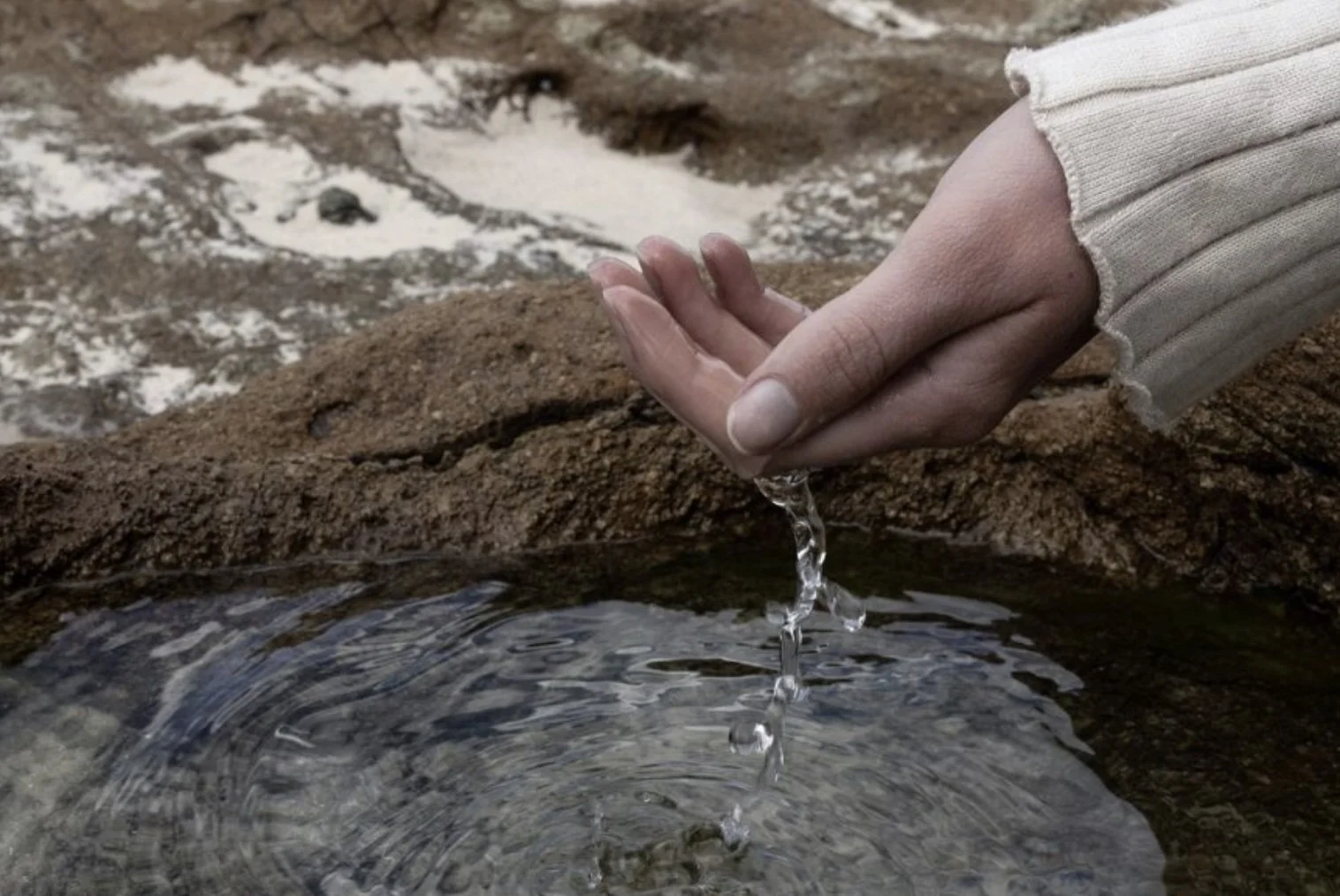
Ok—I’m coming out of the therapist trauma closet.
Yes, I’ve struggled with complex PTSD. It wasn’t a single, dramatic event like a car crash or a single loss. It was a lifelong ride from 0 to 30 years that led me through some very dark places. Some days, it felt like the weight of the past was closing in on me.
Somehow, through all the instability, I was determined to survive. But for a long time, a part of me was furious: Why was this my life? Why did all of this happen to me? And why was I the one left to clean up the mess when I hadn’t created it?
Eventually, though, the pain became too heavy to keep carrying. I realized the “mess” was wrecking my health, my relationships, and my work. I was stuck in patterns that felt familiar but were destroying me. The panic attacks were out of control, and it felt like the past was haunting me every day – like I needed an exorcism.
That’s when I found EMDR. Or, maybe more accurately, EMDR found me.
I took a chance on an experienced therapist who told me, “This is my thing. I can help.” And she did.
After about six months of very focused EMDR, I was, for the most part, symptom-free. The panic attacks were gone. The overwhelming loneliness and spiraling shame quieted down. Sure, I still had some lingering feelings, but life was no longer dominated by fear. I could finally breathe, think clearly, and begin to enjoy the present.
Untangling the Past
Like many of my clients now, my trauma wasn’t “simple.” It was complicated, woven into the very fabric of my childhood. Some kids remember family vacations as the highlights of childhood; what stood out for me was the absence of safety at home.
I grew up in poverty, but not intellectual poverty. My mom was an ex-chola, a street philosopher: Socrates born into the wrong dimension. She once told me she’d been abducted by aliens. Some days, I almost believed her. She was brilliant, charismatic, and she encouraged me to pursue education. But she also terrified me – physically and emotionally.That paradox was impossible to untangle: the same person who gave me curiosity and grit was also the one who left me deeply wounded. Like many of us, I was hardwired to keep hanging in there with my family (even when it hurt).
What EMDR Gave Me
EMDR helped me see the forest for the trees. It allowed me to see my mother for who she was and who she wasn’t. It gave me the space to grieve what I didn’t get, without being swallowed by shame or rage.
The sad little girl inside me finally stopped waiting for “mommy to show up.” Through EMDR, I learned that I could show up for her: that I could feel my own needs, hold my own feelings, and move forward without the constant spiral of shame, hesitation, or fear.
That’s what EMDR did for me.
And it’s why I decided not just to train in EMDR, but to become certified in 2024. And now, I’m on the path toward becoming a consultant. Because healing is possible. Because I’ve lived it. And you can too.
What EMDR Can Do For You
While I’ve shared my personal journey, the transformative power of EMDR is not limited to my experience or to those with specific types of traumas: it has helped countless people heal from trauma, reduce anxiety, and reclaim their lives. Whether you’re struggling with complex PTSD, childhood trauma, relationship challenges, persistent fears and negative beliefs, or another mental health challenge that restricts your ability to live the life you desire, EMDR offers a structured yet flexible approach to process and release the emotional weight holding you back.
Many people find that EMDR:
Reduces the intensity of painful memories and triggers
Helps break cycles of shame, self-doubt, or perfectionism
Supports emotional regulation and resilience
Strengthens the ability to form and maintain safe, healthy relationships
Opens the door to living more fully in the present rather than being stuck in the past
Healing through EMDR is often gradual, compassionate, and empowering. You get to move at a pace that feels safe, exploring not just what happened, but how it shaped your beliefs, emotions, and patterns. Ultimately, you get to integrate change in a deep and sustainable way.
If you’re curious about how EMDR might support your journey, I invite you to reach out for a consultation. Together, we can explore what feels most supportive for you, and whether EMDR could be a helpful step in your healing process. You don’t have to carry this weight alone.
Learn more about the healing power of EMDR
Core Ideas
Complex trauma isn’t always a single event; often, it’s a pattern woven through early life and relationships.
EMDR provides a structured yet flexible way to process trauma while maintaining emotional safety.
Healing is as much about showing up for yourself in the present as it is about revisiting the past.
Transformation is possible even when trauma feels insurmountable.
